
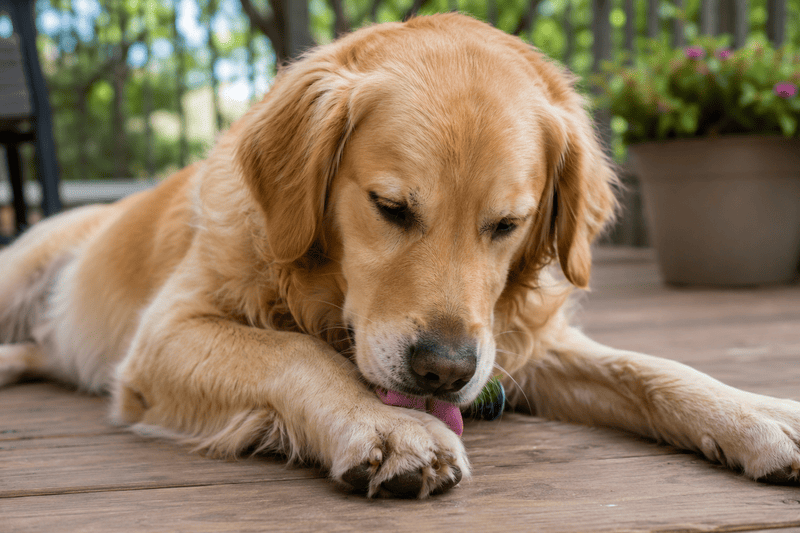
That Familiar Corn Chip Smell May Be Normal—Until It Isn’t
You curl up next to your dog, they stretch out their paws and suddenly you smell it.
Fritos? Popcorn? Corn chips?
You aren’t imagining it.
That distinctive smell coming from your dog’s paws is so common that pet owners have given it a nickname: “Frito Feet.”
At Healthy Pets of Ohio, we know pet owners notice the little things—and sometimes those little things can provide clues about a pet’s health. A mild corn chip-like smell from your dog’s paws can be completely normal. But when that odor becomes stronger or is accompanied by licking, redness, swelling or irritated skin, it could signal something that deserves veterinary attention.
So why do dog paws sometimes smell like a bag of corn chips? Let’s get to the bottom of Frito Feet.
Why Do My Dog’s Paws Smell Like Fritos?
The short answer: microorganisms naturally live on your dog’s skin.
Just like people, dogs have a normal collection of bacteria and yeast living on the surface of their skin. The paws provide an especially inviting environment because they’re frequently exposed to:
- Moisture
- Dirt
- Grass
- Soil
- Saliva from licking
- Sweat and natural skin oils
Dogs also have sweat glands in their paw pads. Combine warmth and moisture with the microorganisms naturally present on the skin, and you can sometimes get that familiar corn chip-like odor.
A mild smell by itself generally isn’t cause for alarm.
The important question is whether anything else has changed.
When Does “Frito Feet” Become a Problem?
Think of the smell as only one piece of the puzzle.
If your dog’s paws have always had a faint corn chip smell and the skin looks healthy, there’s probably no reason to panic.
But if the odor suddenly becomes much stronger—or your dog can’t seem to leave their feet alone—it may be time to take a closer look.
Watch for:
- Constant paw licking
- Chewing or biting at the feet
- Red or inflamed skin
- Swelling
- Moist or greasy skin
- Brown or reddish discoloration between the toes
- Hair loss
- Crusts or sores
- Discharge
- Limping or tenderness
- A noticeably stronger or unpleasant odor
These symptoms can indicate that something more than normal skin bacteria is going on.
Could Yeast Be Making My Dog’s Paws Smell?
Yes.
Yeast overgrowth is one potential cause of unusually smelly, itchy paws.
Yeast normally lives on canine skin in small amounts. Problems can occur when conditions allow that yeast population to grow excessively.
Warm, moist areas—such as the spaces between a dog’s toes—can be particularly susceptible.
Dogs experiencing yeast overgrowth may have:
- Strong or musty-smelling paws
- Redness
- Itching
- Frequent licking
- Greasy skin
- Darkened or thickened skin with chronic problems
The tricky part is that yeast may not be the underlying problem. Something else may be creating the inflammation that allows yeast to flourish.
And one of the biggest culprits is allergies.
September in Ohio: Could Allergies Be Behind Those Smelly Paws?
This is where Frito Feet becomes particularly relevant during late summer and early fall in Central Ohio.
Environmental allergens—including ragweed, grasses, pollen and mold—can trigger allergic skin disease in susceptible dogs.
And unlike people, whose environmental allergies often show up primarily as sneezing and watery eyes, dogs frequently experience allergies through their skin, ears and paws.
An allergic dog may:
- Constantly lick their feet
- Chew between their toes
- Develop red paws
- Experience recurring ear infections
- Develop skin infections
- Scratch excessively
The repeated licking adds even more moisture to the paws, potentially creating an environment where yeast and bacteria can multiply.
It can become a frustrating cycle:
Allergies → itching → licking → moisture → microbial overgrowth → more itching.
Treating only the odor doesn’t necessarily solve what’s causing it.
What About Bacterial Paw Infections?
Bacteria can also overgrow when the skin’s normal protective barrier becomes damaged.
Small cuts, excessive licking, allergies, foreign material between the toes or other skin conditions can allow bacterial infections to develop.
Signs can include:
- Redness
- Swelling
- Pain
- Pustules or bumps
- Crusting
- Drainage
- Strong odor
If your dog’s paws appear painful or visibly inflamed, it’s best to have them examined rather than trying to diagnose the problem based on smell alone.
Why Is My Dog Constantly Licking Their Paws?
This is one of the most common questions pet owners ask.
And unfortunately, there isn’t one universal answer.
Excessive paw licking can potentially be related to:
- Environmental allergies
- Food allergies
- Yeast overgrowth
- Bacterial infections
- Fleas or other parasites
- Dry or irritated skin
- Something stuck between the toes
- A cut or paw-pad injury
- Nail problems
- Pain
- Anxiety or behavioral licking
That’s why persistent licking shouldn’t automatically be dismissed as a quirky habit.
Your dog may be trying to tell you something is bothering them.
Don’t Forget to Check Between the Toes
The top and bottom of the paw may look perfectly normal while irritation is developing between the toes.
If your dog is suddenly licking one particular paw, gently look between the toes and around the paw pads.
You may find:
- Redness
- Swelling
- A small wound
- Matted fur
- A broken nail
- A burr or plant material
- An irritated area
If something is deeply embedded, the paw is painful or swollen, or your dog doesn’t want you touching it, don’t force the issue. Have your veterinary team examine it.
Should I Wash My Dog’s Paws More Often?
Keeping paws clean and dry can be helpful, particularly after walks through wet grass, mud or areas with heavy environmental allergens.
However, more washing isn’t always better.
Repeated washing with harsh soaps or human shampoos can dry and irritate the skin, potentially making itching worse.
Instead:
- Gently wipe dirty paws after outdoor activity.
- Dry paws thoroughly when they get wet.
- Pay special attention to the areas between the toes.
- Use veterinary-recommended products if your dog has recurring skin problems.
If your dog has chronic paw issues, ask your veterinarian before starting medicated wipes, shampoos or home remedies.
What About Apple Cider Vinegar, Baking Soda and Other DIY Treatments?
A quick internet search for “Frito Feet” produces plenty of home remedies.
The problem is that smelly paws aren’t a diagnosis.
If your dog’s odor is caused by allergies, a bacterial infection, yeast overgrowth, an injury or another underlying condition, soaking the feet in a homemade solution may not address the real problem—and some products can further irritate already inflamed skin.
Before treating persistent paw problems at home, it’s worth finding out what’s actually causing them.
When Should I Call My Veterinarian About Smelly Dog Paws?
A faint corn chip smell alone generally isn’t an emergency.
Schedule an appointment if the smell is accompanied by:
- Persistent licking or chewing
- Red or swollen paws
- Hair loss
- Open sores
- Discharge
- Bleeding
- Limping
- Pain
- Recurring ear or skin problems
- An odor that suddenly becomes much stronger
Recurring problems are particularly important to investigate because they may indicate an underlying allergy or chronic skin condition.
How Healthy Pets of Ohio Can Help
Sometimes Frito Feet really is just Frito Feet.
But when those corn chip-smelling paws become itchy, red, irritated or impossible for your dog to stop licking, there’s usually more to investigate.
At Healthy Pets of Ohio, our veterinary teams can examine your dog’s paws and skin and help determine whether the problem involves allergies, yeast, bacteria, parasites, an injury or another underlying condition.
And if the problem seems to return every late summer or fall, make sure you mention that pattern. Seasonality can be an important clue when evaluating environmental allergies.
Your dog’s paws shouldn’t be a constant source of discomfort. If something looks—or smells—different, we’re here to help.
Frequently Asked Questions About “Frito Feet”
Why do my dog’s paws smell like Fritos?
A mild corn chip-like smell can result from the normal bacteria and yeast that live on a dog’s skin combined with moisture, sweat and natural skin oils around the paws.
Is Frito Feet bad for dogs?
Not necessarily. A mild odor without itching, redness or other symptoms may be normal. A strong or changing odor accompanied by licking or irritated skin can indicate yeast, bacterial overgrowth, allergies or another problem.
Do yeast infections make dog paws smell?
Yeast overgrowth can cause noticeable paw odor and is often accompanied by itching, redness, licking and skin changes.
Why does my dog lick their paws all the time?
Frequent paw licking can be caused by allergies, yeast or bacterial infections, parasites, injuries, foreign objects, pain or behavioral issues. Persistent licking deserves veterinary evaluation.
Can seasonal allergies affect a dog’s paws?
Yes. Dogs with environmental allergies often experience itching involving their paws, skin and ears. Late-summer and fall allergens can trigger symptoms in susceptible dogs.
Should I wash my dog’s paws if they smell like corn chips?
Keeping paws clean and dry can help, but excessive washing or harsh products can irritate the skin. If odor is accompanied by redness, itching or persistent licking, talk with your veterinarian.