What Every Ohio Pet Owner Should Know About Outdoor Feeding
Many pet owners leave food outside with the best intentions.
Whether it’s feeding a pet on the patio, providing food for a barn cat, leaving a bowl out for a dog during outdoor playtime, or trying to help neighborhood animals, outdoor feeding is common throughout Ohio.
What many people don’t realize is that pet food left outdoors can attract much more than the pet it’s intended for.
At Healthy Pets of Ohio, we frequently help pet owners manage issues that can be traced back to outdoor feeding—from pest infestations and parasite exposure to wildlife encounters and foodborne illness. Understanding these risks can help keep your pets healthier and safer all year long.
Is It Safe to Leave Pet Food Outside?
Leaving food outdoors for short periods is not always dangerous, but allowing food to sit outside for extended periods can create problems.
Ohio’s warm summer temperatures, humidity, insects, and wildlife can quickly turn a bowl of pet food into a gathering place for unwanted visitors.
Even food that appears clean may become contaminated in ways that aren’t visible to the human eye.
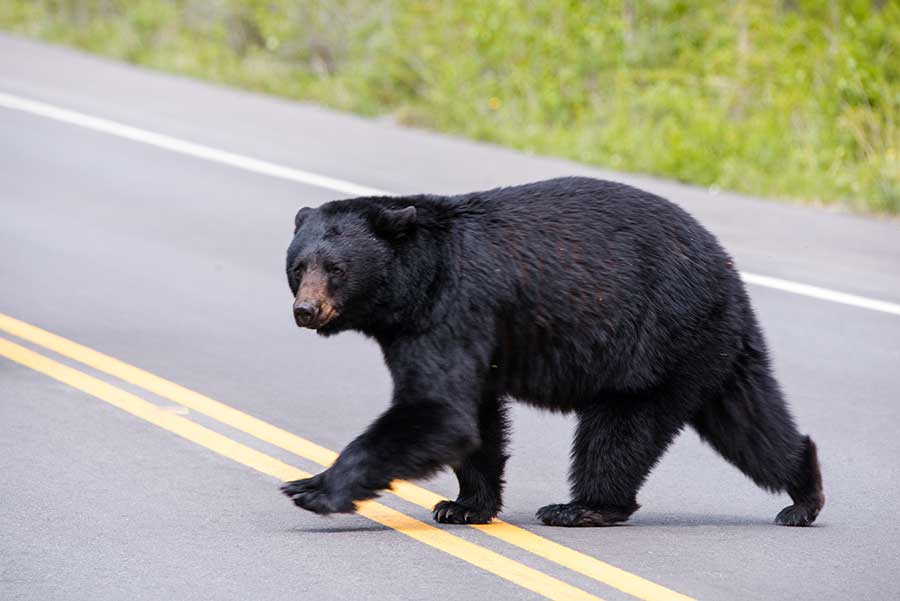
Wildlife Loves Pet Food Too
Pet food contains proteins, fats, and nutrients that attract many wild animals commonly found throughout Central Ohio.
Common visitors include:
- Raccoons
- Opossums
- Skunks
- Squirrels
- Mice
- Rats
- Stray cats
- Foxes
- Coyotes in some areas
Many of these animals are active at night, meaning pet owners may never realize they are sharing the food bowl.
Why Wildlife Around Pet Food Is a Problem
Wild animals don’t just eat pet food—they can also leave behind bacteria, parasites, and diseases.
Some potential concerns include:
Disease Transmission
Wildlife can carry:
- Leptospirosis
- Salmonella
- Roundworms
- Giardia
- Rabies exposure risks
Parasite Exposure
Areas where wildlife gathers often become contaminated with:
- Fleas
- Ticks
- Intestinal parasite eggs
Aggressive Encounters
Food sources can trigger territorial behavior between animals, increasing the risk of:
- Bite wounds
- Scratches
- Abscesses
- Emergency veterinary visits
Ants Aren’t the Only Insects That Love Pet Food
One of the first signs of outdoor feeding problems is usually insects.
Pet food commonly attracts:
- Ants
- Flies
- Beetles
- Cockroaches
- Yellow jackets
- Wasps
Besides being unpleasant, insects can contaminate food and create additional health concerns.
Flies, for example, may transfer bacteria from garbage, animal waste, or other contaminated surfaces directly onto pet food.
Summer Heat Can Spoil Pet Food Quickly
July temperatures in Ohio can cause both wet and dry food to deteriorate faster than many pet owners realize.
Wet Food
Wet food may spoil within an hour on hot days.
Dry Food
Dry food exposed to heat and humidity can:
- Lose nutritional value
- Become stale
- Develop mold
- Attract pests
Spoiled food can cause digestive upset, including:
- Vomiting
- Diarrhea
- Decreased appetite
- Stomach discomfort
Outdoor Feeding Can Increase Flea Problems
Many pet owners are surprised to learn that outdoor food bowls can indirectly contribute to flea infestations.
Wildlife that visits feeding areas often carries fleas.
Once fleas are introduced into the environment, they can quickly spread to:
- Dogs
- Cats
- Outdoor bedding
- Patios
- Garages
- Homes
What starts as a small outdoor issue can become a full-house flea infestation surprisingly fast.
Rodents Create Bigger Problems Than You Think
Pet food is one of the biggest attractants for rodents.
Mice and rats are drawn to even small amounts of leftover kibble.
Beyond the obvious nuisance, rodents can:
- Contaminate food and water
- Damage property
- Spread disease
- Attract larger predators
Many homeowners discover rodent activity only after populations have become established.
What About Feeding Outdoor Cats?
Many Ohio communities have outdoor, community, or barn cats that rely on supplemental feeding.
If you’re feeding outdoor cats:
Best Practices Include:
- Feed at scheduled times
- Remove leftover food after meals
- Use elevated feeding stations
- Provide fresh water daily
- Keep feeding areas clean
- Monitor for signs of illness
This helps reduce wildlife attraction while still supporting the cats.
Signs Your Outdoor Feeding Area May Be Attracting Problems
Watch for:
- Food disappearing overnight
- Animal tracks
- Droppings near feeding areas
- Increased insect activity
- Torn food bags
- Unusual pet illnesses
- Increased flea or tick activity
These can all indicate that unwanted visitors are sharing your pet’s meals.
Healthier Alternatives to Leaving Food Outside
If your pet spends time outdoors, consider:
Scheduled Feeding Times
Offer food and remove bowls after meals.
Fresh Water Stations
Water can remain available while food is removed.
Supervised Outdoor Meals
Allow pets to eat outside while monitored.
Indoor Feeding
The safest option remains feeding pets indoors whenever possible.
How Healthy Pets of Ohio Can Help
If your pet develops digestive issues, skin irritation, parasite problems, or unexplained illness after exposure to outdoor feeding environments, a veterinary evaluation may be warranted.
At Healthy Pets of Ohio, we help pet owners identify and prevent common summer health risks, including those related to parasites, wildlife exposure, and food safety.
Our goal is to help pets enjoy summer safely while minimizing preventable health concerns.