A Healthy Pets of Ohio Guide for Dog and Cat Owners
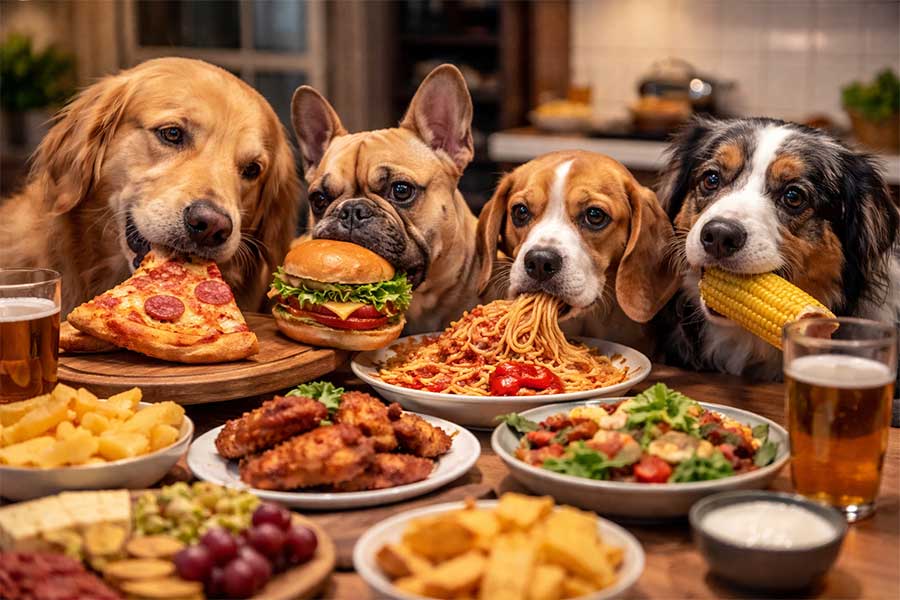
It happens in almost every home—those eyes staring up at you during dinner, hoping for just a bite. And while it’s tempting to share, not all human foods are safe for pets.
At Healthy Pets of Ohio, one of the most common questions we hear is: “Can I give this to my dog or cat?”
The answer? Some foods are perfectly safe in moderation—while others can be dangerous or even life-threatening.
Here’s a clear guide to help you make safe choices.
Safe Human Foods for Dogs and Cats (In Moderation)
These foods can be safe when given in small amounts and prepared properly (plain, boiled, no seasoning, no fat, oils or additives):
Lean Proteins
- Boiled cooked chicken (no bones, no seasoning)
- Turkey (no seasoning)
- Boiled ground beef (no seasoning)
Great for added protein, but should never replace a balanced pet diet.
Certain Fruits
- Apples (no seeds)
- Blueberries
- Bananas
- Watermelon (seedless)
These can be great low-calorie treats—but watch sugar content, especially for overweight pets.
Vegetables
- Carrots
- Green beans
- Cucumbers
- Sweet potatoes (plain, cooked)
These are excellent for pets needing lower-calorie snack options.
Plain Rice or Pasta
Helpful for pets with mild digestive upset—but only temporarily and without sauces or seasoning.
Foods That Are Dangerous for Pets
Some foods that are harmless to humans can be toxic to dogs and cats, even in small amounts.
Chocolate
Contains theobromine, which can cause:
- Vomiting
- Rapid heart rate
- Seizures
Dark chocolate is especially dangerous.
Xylitol (Artificial Sweetener)
Found in:
- Sugar-free gum
- Candy
- Peanut butter
- Baked goods
Can cause rapid blood sugar drops and liver failure, especially in dogs.
Grapes and Raisins
Even small amounts can lead to kidney failure in dogs. The exact cause is still unknown, which makes them especially risky.
Onions and Garlic
Common in many foods, but can damage red blood cells and lead to anemia over time.
Alcohol and Caffeine
Even small exposures can affect the nervous system and be life-threatening.
Fatty or Fried Foods
Can trigger:
- Pancreatitis
- Digestive upset
- Long-term weight gain
“Hidden Danger” Foods Many Pet Owners Don’t Think About
These are some of the most common accidental exposures we see:
- Peanut butter containing xylitol
- Leftovers with onions or garlic
- Bones that can splinter
- Dairy products causing digestive upset
- Raw dough (can expand in the stomach)
Portion Control Still Matters
Even safe foods can become unhealthy if overfed.
Too many treats—especially human food—can lead to:
- Weight gain
- Nutritional imbalance
- Digestive issues
As a general rule, treats (including human food) should make up no more than 10% of your pet’s daily calories.
When to Call the Vet
If your pet eats something questionable, don’t wait for symptoms.
Contact your veterinarian right away if you notice:
- Vomiting or diarrhea
- Lethargy
- Tremors
- Loss of appetite
- Unusual behavior
The sooner treatment begins, the better the outcome.
When in Doubt, Ask
Every pet is different. Age, breed, weight, and medical history all play a role in what’s safe.
At Healthy Pets of Ohio, we’re always happy to help you make informed decisions about your pet’s diet and overall health.
The Bottom Line
Sharing food can feel like a way to bond—but the safest way to show love is by protecting your pet’s health.
Stick to pet-safe options, proper portions, and when in doubt—don’t share.
Have questions about your pet’s diet or nutrition?
Schedule a visit with Healthy Pets of Ohio, and we’ll help you build a plan that keeps your pet healthy, happy, and thriving.